What is the impact of the central bank’s RRR cut on the real estate market by releasing long-term funds of about 500 billion yuan?
The RRR cut came as scheduled.
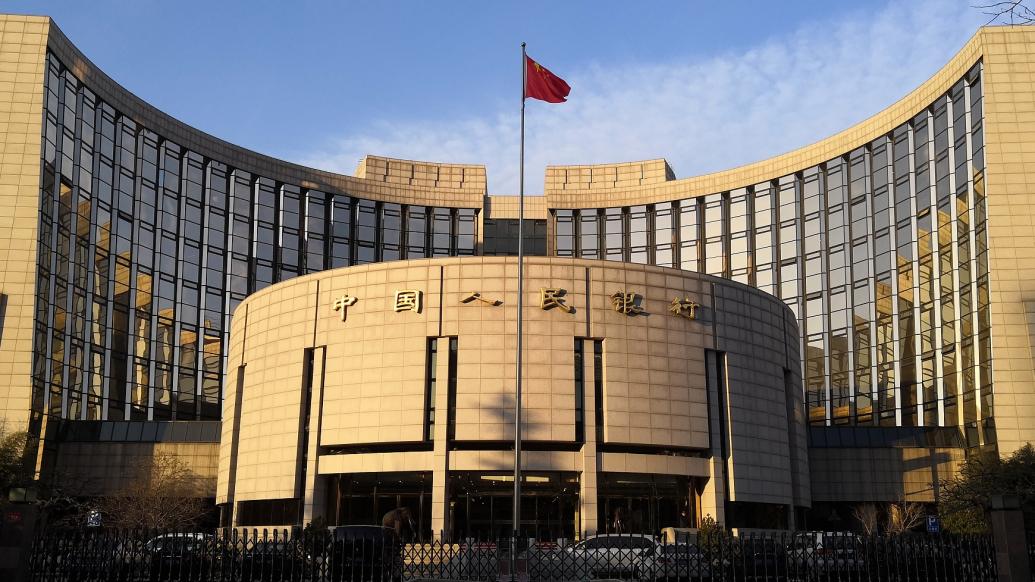
On November 25th, the central bank announced that in order to maintain a reasonable and sufficient liquidity, promote a steady decline in comprehensive financing costs, implement a package of policies and measures to stabilize the economy, and consolidate the foundation for economic stabilization, the People’s Bank of China decided to reduce the deposit reserve ratio of financial institutions by 0.25 percentage points on December 5th, 2022 (excluding financial institutions that have implemented the 5% deposit reserve ratio). After this reduction, the weighted average deposit reserve ratio of financial institutions is about 7.8%.
The RRR cut released a total of about 500 billion yuan of long-term funds.
From the point of view of time, this is the second RRR cut this year. The last time the central bank announced the RRR cut was April 15 this year. At that time, the central bank announced that in order to support the development of the real economy and promote the steady decline of comprehensive financing costs, the People’s Bank of China decided to reduce the deposit reserve ratio of financial institutions by 0.25 percentage points on April 25, 2022 (excluding financial institutions that have implemented the 5% deposit reserve ratio). In order to increase support for small and micro enterprises and "agriculture, rural areas and farmers", for city commercial banks that do not operate across provinces and rural commercial banks whose deposit reserve ratio is higher than 5%, the deposit reserve ratio will be lowered by 0.25 percentage point, and an additional 0.25 percentage point will be lowered.
RRR cut is one of the expansionary monetary policies of the central bank. The central bank reduces the statutory deposit reserve ratio, which affects the number of banks’ loanable funds, thus increasing the credit scale, increasing the money supply, releasing liquidity and stimulating economic growth.
According to CCTV news on November 23, Li Keqiang, Premier of the State Council of the People’s Republic of China presided over the the State Council executive meeting, which proposed to implement the policy of supporting rigid and improved housing demand due to the city. We will promote the full implementation of special loans for Baojiaolou as soon as possible, encourage commercial banks to issue new loans for Baojiaolou, and promote the healthy development of the real estate market. At the same time, increase financial support for the real economy. Guide banks to make moderate profits on small and micro-stock loans of Pratt & Whitney, continue to provide transportation, logistics and financial services, increase support for private enterprises to issue bonds, and use monetary policy tools such as RRR cuts in a timely and appropriate manner to maintain reasonable and sufficient liquidity.
Chen Wenjing, director of market research of Index Division of China Central Finger Research Institute, mentioned that since November, a number of regulatory authorities have released favorable results one after another, providing more financial support for housing enterprises and property buyers. Recently, relevant funds have gradually landed. At the same time, looking back at the content and landing of RRR cuts mentioned in the regular meeting of the National People’s Congress in 2018, we can find that except in June 2021, the central bank issued corresponding RRR cuts after the meeting mentioned, and in most cases, the interval did not exceed 10 days. The RRR cut not only brings incremental medium and long-term funds and releases more liquidity, but also brings the signal significance of continuing the wide currency.
Ma Hong, a senior researcher at Zhixin Investment Research Institute, pointed out that the central bank’s RRR cut will help reduce the financing costs of individual housing purchases and housing enterprises and promote the stable and healthy development of the real estate market. From the perspective of funding sources of housing enterprises, including personal mortgage loans, housing enterprise development loans, bond financing and other tools, will benefit from the liquidity support and financing cost reduction brought by the central bank’s RRR cut. According to the relevant information disclosed recently, the scale of financial support for housing enterprises in the entire bank and bond market may exceed one trillion. Obviously, the overall financing environment of housing enterprises has changed substantially recently, especially the probability of subsequent accidents of large-scale housing enterprises with excellent qualifications is declining. I believe that the confidence of buyers is expected to be restored, and the real estate market will gradually bottom out and stabilize in the rest of the year.
Yan Yuejin, research director of the think tank center of Yiju Research Institute, believes that the RRR reduction policy has a very positive effect on improving liquidity, and at present, it should be emphasized that it can enhance the credit supply capacity of commercial banks. At present, in the field of real estate, the first arrow of commercial banks is to better serve high-quality housing enterprises, and naturally it is necessary to enhance the confidence in credit. Therefore, the RRR cut itself has a positive effect on banks’ initiative to give support to real estate development, sales, property security, debt issuance and other fields, which will also help improve the fundamentals of business operations and promote the better development of enterprises.
Zhang Bo, dean of the branch of 58 Anjuke Real Estate Research Institute, also mentioned that striving for stability on the financial side is an important measure to ensure the stable development of economic construction and effectively prevent and resolve risks in the real estate market. In the face of the external environment with increasing uncertainties and the persistent downward pressure on the real estate market, the necessity of this RRR cut is very obvious, which can further release liquidity to the market, optimize the capital structure of financial institutions, enhance financial service capabilities, better support the recovery of the real estate industry and promote the steady operation of the economy. Through this RRR cut, the cash flow pressure of housing enterprises will be further released, which is conducive to boosting market confidence, actively preventing risks in the real estate market and promoting the stable and healthy development of the real estate market.